June 22, 2026
Embarking on a comprehensive house renovation is an exhilarating journey that promises to breathe new life into your living spaces. The prospect of updating outdated fixtures, introducing modern aesthetics, and restructuring layouts to better suit your lifestyle can feel incredibly empowering. However, the sheer scale of transforming an entire house can quickly become overwhelming without a structured plan. Homeowners frequently find themselves caught in a web of competing priorities, wondering whether to update the spaces guests see first or focus on the intimate quarters where their families unwind at the end of the day.
The secret to a successful transformation lies in the art of prioritization. By establishing a logical sequence of projects, you can manage your budget effectively, minimize daily disruption, and maximize the long-term enjoyment and financial return of your property. Every home tells a different story, and every family has unique daily routines, meaning there is no single formula that fits everyone. However, analyzing how each space functions, how much time you spend within its walls, and how improvements impact your daily comfort will guide you toward making informed decisions. Strategic planning ensures that your journey through home remodeling remains a source of excitement rather than stress.
Evaluating Daily Functional Needs
Before picking up a hammer or browsing through design magazines, you must take a close look at how your family utilizes your current space. The primary objective of any home remodeling project should be to solve practical problems that hinder your daily routine. Walk through your house and note the areas that cause the most friction in your life. It might be a lack of counter space when preparing meals, an inadequate number of bathrooms during the hectic morning rush, or a living room that lacks the storage needed to keep clutter at bay.
Prioritizing based on necessity ensures that your resources are funneled into changes that will have an immediate, positive impact on your quality of life. For instance, if you work remotely, creating a quiet, dedicated workspace might take precedence over updating a guest bedroom that is rarely occupied. By focusing first on the areas that directly support your daily habits, you build a solid foundation of functionality. This initial focus ensures that your investments solve your biggest domestic headaches before you turn your attention to purely cosmetic upgrades in less-frequented zones of the property.
Maximizing Long-Term Investment Value
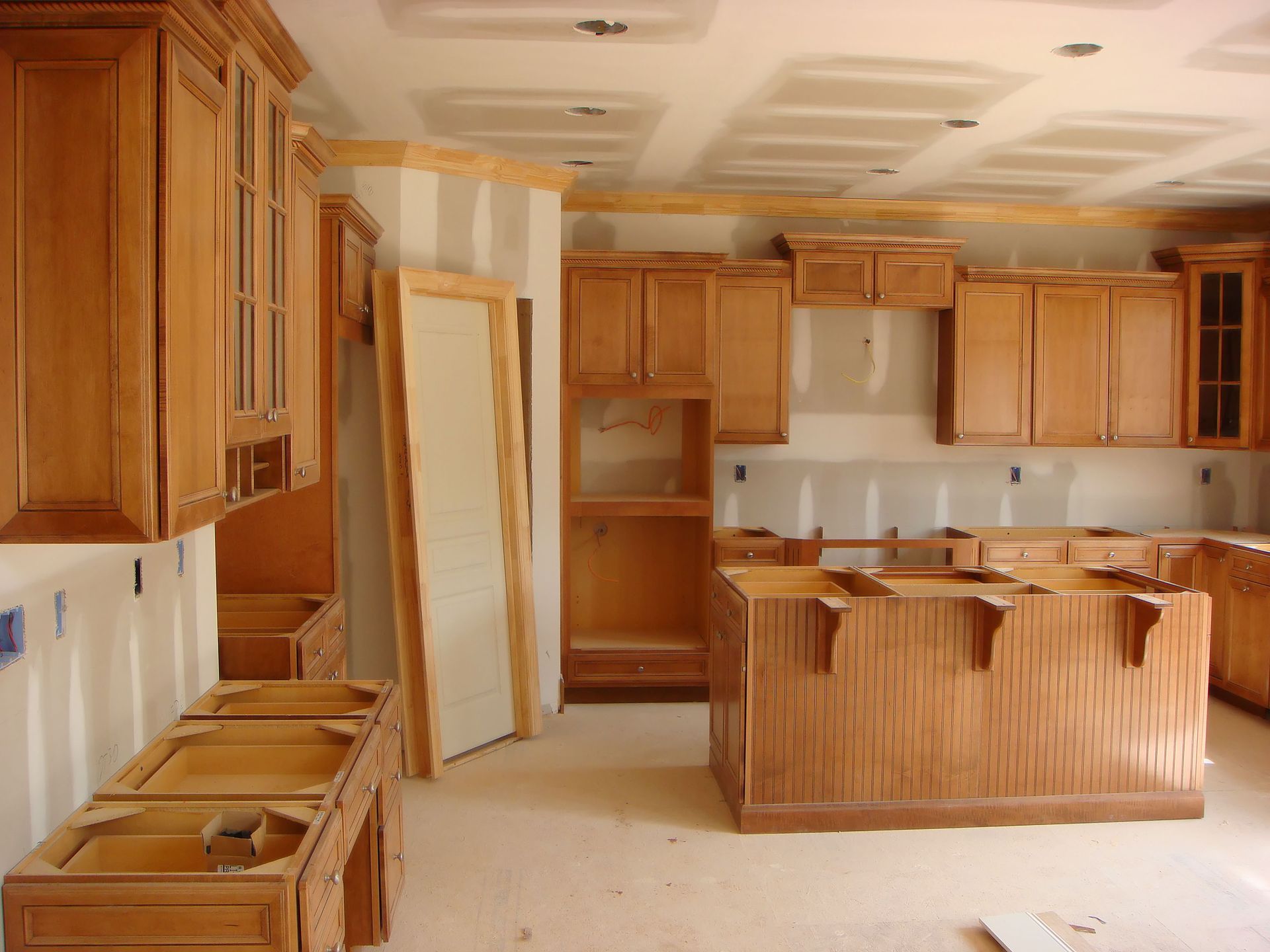
For many people, property appreciation is a significant driving factor behind the decision to renovate. Certain spaces historically offer a much higher return on investment than others, making them logical choices for early intervention if you plan to sell the property eventually. Gathering data on consumer preferences reveals clear trends regarding where buyers place the highest value. According to This Old House, kitchens are ranked at 51% for most common spaces that homeowners want to remodel.
Focusing your budget on these high-yield areas early in the process ensures that you are building equity from the very start. A beautifully updated culinary space or a luxurious master suite acts as a major selling point, capturing the attention of potential buyers and setting your property apart from the competition. Even if you plan to stay in your residence for decades, addressing these value-dense rooms first allows you to enjoy the premium upgrades yourself, ensuring that you reap the rewards of your hard work long before it ever hits the market.
Grouping Connected Utility Areas
Efficiency is a cornerstone of smart planning, particularly when dealing with the hidden infrastructure of a house. When planning your home remodeling timeline, it is highly beneficial to look at the underlying systems like plumbing, electrical wiring, and structural supports. Rooms that share a common wet wall—such as back-to-back bathrooms or a laundry room adjacent to the cooking area—should ideally be tackled in tandem or in close succession.
Opening up walls to update old pipes or run new electrical circuits is a labor-intensive process. If you remodel a bathroom this year and decide to update the adjoining laundry space next year, you may find yourself paying contractors to tear into the exact same walls a second time. Grouping these utility-dependent spaces together allows your construction team to complete the invasive infrastructure work all at once. This logical clustering saves significant time, reduces overall labor costs, and shortens the total duration of heavy construction inside your living areas.
Managing Household Disruption Levels
Living through a renovation is an exercise in patience, as dust, noise, and strangers entering your private space become part of your daily routine. To maintain your sanity, you must carefully evaluate how the loss of a specific room will impact your ability to function. Remodeling a primary bathroom or the central cooking area means adjusting to significant lifestyle shifts, such as using a secondary shower or relying on takeout meals and makeshift outdoor cooking stations.
If your lifestyle cannot tolerate major upheavals at a particular moment, it is wise to start with less disruptive projects. Transforming an unused basement, updating a home office, or refreshing spare bedrooms allows you to get your feet wet with the home remodeling process without upending your core routines. Starting small helps you understand how contractors work, how timelines progress, and how dust controls operate in your house. Once you feel comfortable managing these smaller construction cycles, you can step up to the grander, more disruptive transformations with greater confidence and preparation.
Sequencing Top to Bottom Work
When a multi-room renovation spans multiple stories or involves structural alterations, the physical path of construction must dictate your schedule. A fundamental rule of thumb is to execute major structural and heavy cosmetic work from the highest level of the house downward. If your plans include adding a second-story dormer, repairing a roof, or updating upstairs bedrooms, these projects should precede any significant first-floor overhauls.
The rationale behind this sequence is purely protective. Construction involves carrying heavy materials, tracking debris, and vibrating the entire structure of the building. If you invest your time and money into installing pristine hardwood floors and flawless plasterwork on the ground level first, you risk damaging those brand-new finishes when workers start hauling drywall and tools up and down the stairs for the upper-level projects. By working from the top down, you ensure that gravity works with you, keeping the inevitable mess and structural strain confined to areas that have not yet received their final, costly cosmetic treatments.
Unifying Overall Design Aesthetics
A beautiful house is characterized by a sense of continuity, where one space flows seamlessly into the next. When prioritizing your home remodeling efforts, consider how the visual styles of neighboring rooms interact. Tearing down walls to create an open-concept layout means that your new cooking zone, dining area, and main living space will effectively become a single visual entity.
Prioritizing these interconnected, public zones allows you to establish a cohesive design language—including color palettes, flooring materials, and architectural details—that sets the tone for the rest of the house. Once the primary gathering spaces are unified and complete, you can gradually extend that aesthetic to closed-door spaces like guest bathrooms, closets, and secondary bedrooms over time.
If you are ready to turn your vision into a perfectly executed reality, we at Appalachia Construction Services, Inc are here to guide you through every phase of your home remodeling journey. We invite you to connect with our team to discuss your goals, map out a custom timeline, and bring expert craftsmanship to the spaces that matter most to you.